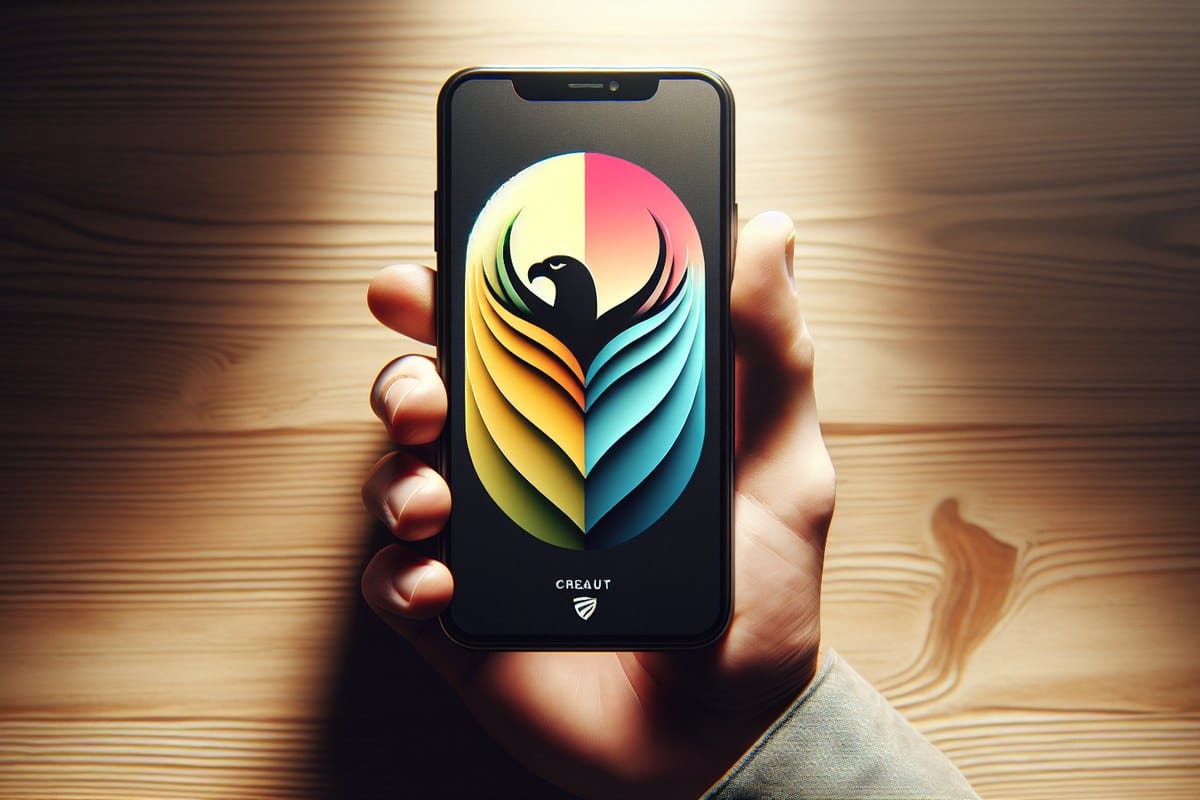
NEW YORK, NY — At 12:01 a.m. Sunday, the rainbow logo on the Banana Republic homepage appeared crisp and full-saturation to a shopper in Park Slope, while the same homepage loaded for her cousin in Bartlesville, Oklahoma showing a tasteful beige wordmark and a banner ad for chinos called ‘The Heartland Slim.’ Both women refreshed. Both got the same result. Both were, the company would later confirm, experiencing the brand ‘authentically and at scale.’
At least 47 major retailers have quietly rolled out what their internal decks are calling ‘Adaptive Affirmation Frameworks’ — geofenced Pride logos that render in full color only in ZIP codes where regional sentiment polling places public tolerance above 58%, with a 12-point buffer for what one slide deck described as ‘sudden mood weather.’ Below that threshold, the logo dims to grayscale, then to a small olive branch, then to nothing at all, then, in a handful of test markets, to a separate logo featuring an eagle.
‘It’s not cowardice, it’s customization,’ said Lindy Vargo, a brand strategist at the consumer engagement desk of a firm she asked us to describe only as ‘a Big Four with a heart.’ ‘A rainbow in the wrong ZIP code is a brand event. A wordmark in the right ZIP code is a brand event. We’re just letting both events happen at the same time, in different places, to different people, who will hopefully never speak to each other.’
Engineers familiar with the rollout say the logos update every six minutes against a real-time sentiment dashboard, meaning the rainbow has been observed phasing in and out across swing counties in Pennsylvania like a nervous lighthouse. A Sheetz in Allentown reportedly cycled through four different versions of the Sheetz logo during a single transaction Sunday morning, finally settling on a neutral red ‘S’ as the customer paid for a hoagie.
‘I saw it, then I didn’t see it, then I saw it again, then I saw an eagle,’ said the customer, Doug Leffert, 51, who described the experience as ‘honestly the most engaged I’ve ever felt with Sheetz.’
The system reportedly assigns each U.S. ZIP code to one of four tiers — ‘Ally,’ ‘Bystander,’ ‘Cool Breeze,’ and ‘Patriot Forward’ — with logos calibrated accordingly. A leaked version of the Target tier sheet describes Provincetown, Massachusetts as ‘maximum saturation, glitter overlay permitted’ and a stretch of I-40 in the Texas Panhandle as ‘eagle, possibly two eagles, please advise.’ Several mid-tier markets are flagged ‘rainbow but make it sepia,’ which a brand consultant described as ‘a vibe of allyship from a respectful distance, like clapping for someone else’s parade through binoculars.’
‘I love that they put a rainbow in our app,’ said Brendalyn Tice, attending the West Hollywood Pride kickoff with her wife. ‘I love it slightly less knowing that my mother in Lubbock, looking at the same app on the same Wi-Fi when she visits, sees a tasteful gradient of khaki.’ Tice paused. ‘My mother thinks Old Navy doesn’t do Pride. My mother is wrong, but she is also, technically, correct.’
Reached for comment, a spokesperson for the trade group Brands For All Markets said the geofencing represented ‘a mature evolution of inclusive marketing,’ adding that the technology would be expanded in the coming months to also dim Black History Month logos in counties polling above a certain ‘fatigue index’ and to fully disable Veterans Day banners in any ZIP code where rent has risen more than 18% year-over-year.
As of press time, the rainbow on the Bud Light homepage had been visible for 41 seconds in downtown Chicago before disappearing entirely, replaced by a small message reading ‘We hear you. All of you. Separately.’