Home Blog Page 51

Congress Shocked to Discover U.S. Telecom Networks Sold to China, Not Hacked

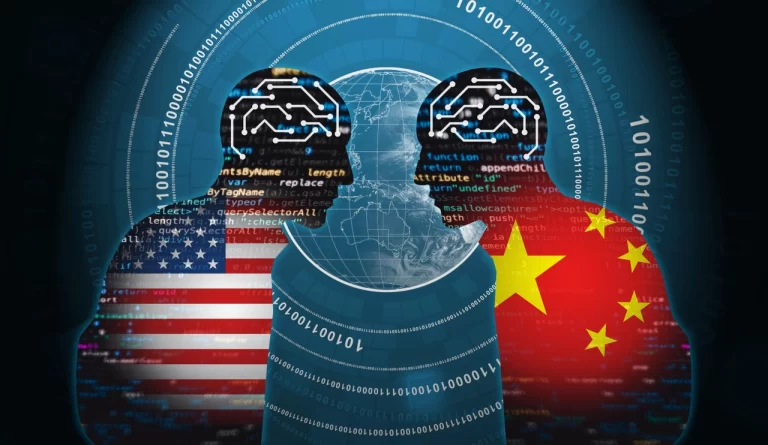
WASHINGTON — In a revelation that has left Capitol Hill reeling, lawmakers have discovered that the Chinese government doesn’t need to hack U.S. telecommunications networks—because they already own them. According to recently unearthed documents, the United States sold its telecom infrastructure to China 12 years ago in exchange for a bulk shipment of Nike sneakers and a collection of George W. Bush bobble head dolls.

The deal, signed in the early 2010s, was reportedly brokered as part of an effort to reduce the national debt. However, its long-term ramifications were clearly overlooked. “This isn’t a breach—it’s an ownership issue,” Senator Mark Warner said at a press briefing. “China didn’t hack into our networks; they just checked their own server logs.”

The most alarming aspect of this revelation is not just that China has unfettered access to sensitive communications, but that the information includes the text messages and call logs of prominent political figures. “They now know which escorts half of Congress prefers,” one anonymous aide lamented. “This isn’t just a national security disaster—it’s a bipartisan embarrassment.”

The documents also reveal an additional clause in the agreement that gave China veto power over telecom security measures. “Turns out, every time we tried to upgrade our encryption protocols, we had to run it by Beijing,” said a visibly shaken FCC official. “No wonder we’ve been stuck on 4G for so long.”

Former President George W. Bush, who played a pivotal role in finalizing the deal, weighed in during an impromptu phone interview. “Well, shoot, them bobble heads were some of the finest dang things I’ve ever laid my eyes on,” Bush said. “I think I still got mine sittin’ in the Jeep—head’s a little wobbly now, but it’s still got that ol’ Lone Star spirit.”

When asked about the sneakers, a former White House trade advisor noted that the shoes were indeed of “good quality” and “helped boost morale” among officials at the time. “We were in a tough spot financially,” the advisor explained. “And the bobble heads—well, let’s just say they had bipartisan appeal.”

The Chinese embassy issued a statement denying any wrongdoing, claiming they had merely exercised their legal rights under the agreement. “We have always acted within the bounds of the contract,” the statement read. “If the U.S. government is now dissatisfied, perhaps they should have considered the consequences of prioritizing novelty items over national security.”

Back on Capitol Hill, the fallout is expected to dominate hearings for weeks. While some lawmakers are calling for a renegotiation of the deal, others are pushing for an immediate switch to carrier pigeons for sensitive communications. Meanwhile, efforts to locate Bush’s Jeep-borne bobble head have been launched by the Smithsonian, which has labeled it a “national artifact of poor judgment.”


Squirtle Elected Mayor in Oregon Town as Boomers Ask: ‘Why Are Millennials Allowed to Vote?’

0

OREGON — In a stunning and somewhat damp turn of events, the town of Aquaberry, Oregon, has elected the beloved Water-type Pokemon, Squirtle, as their new mayor. The election, which garnered bipartisan support from the town’s populace, highlighted a growing generational divide and sparked controversy over whether Millennials should continue to have any say in political matters.

The election results, certified by a weary city clerk who couldn’t believe the ballots he was counting, have left many in Aquaberry feeling both excited and slightly bewildered. Millennials, who played a pivotal role in getting Squirtle elected, claim that the choice represents a bold new vision for the future of governance. “Squirtle is about community, teamwork, and shell-based efficiency,” said local millennial and self-proclaimed Squirtle Squad captain, Amanda Rivers. “We need to prepare the next generation for a transformative world, and who better than a Pokemon who’s fought alongside Ash Ketchum? It’s about time we had a leader who knows how to effectively use Water Gun on our problems!”

However, not everyone is quite so enthused about Aquaberry’s new leadership. Local Boomer and retired accountant Frank Swanson was overheard at a local diner saying, “These kids grew up catching imaginary animals on a screen, and now they’re voting for them. What happened to people with actual qualifications? Why are Millennials even allowed to vote, let alone nominate cartoon turtles for office? This is what happens when you let participation trophies become government policy!”

Despite the generational divide, Nintendo has been quick to capitalize on Squirtle’s newfound political clout. The gaming giant released a statement promising to develop a proprietary AI model to “fulfill the administrative duties of Mayor Squirtle” and to “meet the diverse needs of Aquaberry’s vibrant community.” The AI, called “SquirtAI,” will reportedly be powered by cutting-edge technology capable of responding to citizen demands, organizing town meetings, and, in classic Squirtle fashion, putting out the occasional fire with an animated blast of water.

Of course, all this comes at a price. Nintendo has announced a new tax to subsidize the cost of running SquirtAI, with the town introducing a tiered system of “governance microtransactions.” Residents will now be required to pay for certain municipal services via in-app purchases. Want your pothole filled? That’ll be 500 PokéCoins. Need to apply for a building permit? You can unlock the “Permit Application Bundle” for just $9.99—complete with a digital Squirtle sticker.

“This is what true governance looks like in 2024,” said Nintendo spokesperson Kimiko Tanaka, barely hiding her grin. “We’re thrilled to be part of this historic moment. Mayor Squirtle represents the spirit of innovation—and, let’s be honest, there’s profit to be made when the people want whimsical leadership.”

The announcement of microtransactions has drawn criticism from across the political spectrum, with many comparing it to a “pay-to-win” model for local governance. “We’ve basically turned our town into a video game,” complained Boomer resident Swanson. “And now I have to pay 300 PokéCoins just to get a parking ticket dismissed. What happened to democracy?!”

Meanwhile, Millennials remain undeterred. “Look, this is about the future,” Rivers insisted. “The Boomers had their chance with boring humans, and what did that get us? Financial crises, unaffordable housing, and a crumbling infrastructure. Maybe a Pokemon is exactly what we need to turn things around. Squirtle Squad for life!”

As Squirtle gets ready for his swearing-in ceremony—which, according to sources, will involve a pool, sunglasses, and a carefully choreographed water display—the people of Aquaberry are left to wonder if their new leader will be able to bridge the gap between generations or simply leave everyone a little wet behind the ears.

Jon Stewart Unfiltered: Kamala Harris Talks Curing Cancer, Gay Frogs, and Why America Can’t Handle Her Success

Jon Stewart: Alright, alright, settle in everyone. Today we have a hell of a guest. Joining us is none other than Vice President Kamala Harris. Or as some people like to call her, “the woman who cured breast cancer but still lost to Trump.” Kamala, how the hell are you?

Kamala Harris: [Chuckles] I’m doing well, Jon, thanks for having me. Always a pleasure.

Jon Stewart: Yeah, yeah, I mean, it’s not every day you get the chance to talk to a former Vice President who apparently spent her downtime funding secret medical research programs. You know, just your typical “I’m bored on a Saturday, let’s cure cancer” kind of deal. Let’s get right to it. Is it true, Kamala? Did you actually cure breast cancer?

Kamala Harris: [Modestly] Well, Jon, I wouldn’t say it was “me” per se. I mean, I did provide some…financial assistance, sure. But it was the brilliant scientists who did the hard work.

Jon Stewart: Oh come on, don’t be modest. You’re sitting on ill-gotten gains, doing your best impression of Robin Hood, except you’re funneling that into medical research instead of buying a yacht. [Laughs] What was the deal there? You just thought, “Why not fund a little medical miracle on the side?”

Kamala Harris: [Laughs] Something like that. You know, there were some funds that, let’s say, didn’t come from the most…legitimate sources. But I figured, why not do something positive with them? I mean, cancer doesn’t care where the money comes from, right?

Jon Stewart: [Nods] Right, right. Cancer’s like the IRS—it’ll take whatever it can get. But here’s the kicker: you actually succeeded! You and that team of yours went and did it. A cure for breast cancer! And then you thought, “Sure, why not run for President. Maybe the folks will like me for, you know, not letting them die from cancer.” And what did America say? “Nah, we’re good. Thanks, but no thanks.”

Kamala Harris: [Sighs] It’s frustrating, Jon. But I think it’s clear that there are…other factors at play. People seem to focus more on where the money came from rather than the results.

Jon Stewart: Yeah, yeah. Look, I’ve got to say it—[leans in, gesturing with his hands] this is why you lost the run for Presidency. Americans are [EXPLETIVE] racist. And sexist. And let’s be real, they can’t handle a black woman curing cancer. How dare you disrupt the pharmaceutical industry? You think you can just waltz in and fix things without paying homage to the almighty dollar? You should’ve known—cancer is big business, Kamala!

Kamala Harris: [Chuckles] Apparently, curing cancer doesn’t fit into the profit model. I think I may have skipped that chapter of “How to Win Elections in America.”

Jon Stewart: No, no, I think you got it. The chapter reads, “Step One: Don’t be too competent, Step Two: Definitely don’t mess with pharma money.” But hey, let’s switch gears for a moment because I need to ask you about something even more critical—gay frogs.

Kamala Harris: [Laughs, shaking her head] Oh boy, here we go.

Jon Stewart: Yeah, yeah, I’m going there. Our dear friend Alex Jones—you know, the human equivalent of a blender filled with conspiracy theories—has spent years ranting about chemicals in the water turning frogs gay. Now, Kamala, tell me—are the frogs gay, or are they just exploring their options?

Kamala Harris: [Laughing] Jon, I think the frogs are just living their best lives. And honestly, if there are chemicals making them more open-minded, then I think we could use a little of that water in Congress.

Jon Stewart: [Throws hands up] Oh! There it is, folks! Kamala Harris says Congress needs more gay frog water! I love it. If that’s not a campaign slogan, I don’t know what is. “Kamala 2028: Let’s Get Gay Frog Water into Congress.”

Kamala Harris: [Laughs] Well, if it’ll make things run more smoothly, I’m all for it.

Jon Stewart: That’s the spirit. Honestly, this whole thing has been fascinating. You cure breast cancer, you lose an election, and now you’re telling us that maybe, just maybe, Alex Jones was onto something with those frogs. What a time to be alive.

Kamala Harris: [Smiling] It’s certainly…interesting, Jon. But you know, all jokes aside, I really do think we need to focus on what’s best for the American people—even if it means ruffling a few feathers along the way.

Jon Stewart: Absolutely. And listen, Kamala, you’ve got to keep ruffling those feathers. Because let’s face it—if you’re not pissing someone off, you’re probably not doing it right. Thanks for coming on today. Always a pleasure.

Kamala Harris: Thanks, Jon. It’s been a blast.

Trump Appoints Dr. Oz to Oversee Medicare, Medicaid After Narrowly Beating Out Dr. Phil and Dr. Pepper

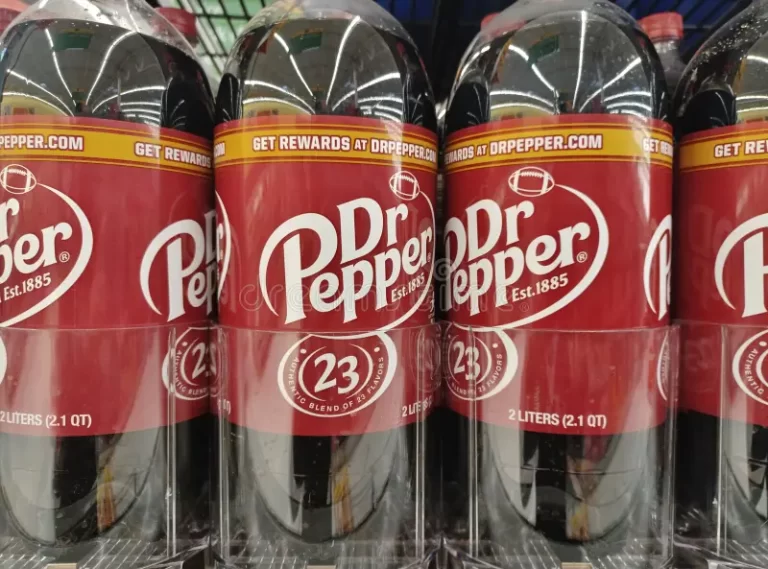
WASHINGTON, D.C. — In what is being hailed as one of the more unconventional cabinet appointments, President-Elect Donald Trump announced today that Dr. Mehmet Oz would be the new overseer of Medicare and Medicaid. According to sources close to the decision-making process, Trump had a tough time deciding between Dr. Oz, Dr. Phil, and even Dr. Pepper for the role, citing the unique skillsets that each candidate brought to the table.

“It was a real toss-up,” Trump admitted at a press conference. “Dr. Oz has the medical background, Dr. Phil has that no-nonsense TV charisma, and Dr. Pepper—well, people love Dr. Pepper. It’s a classic.”

Trump continued, “I mean, who wouldn’t want their healthcare overseen by a doctor who’s been quenching thirsts since 1885? But in the end, I went with Dr. Oz—because America deserves a healthcare plan with a little showbiz flair.”

Ultimately, the former television personality and cardiothoracic surgeon got the nod, despite his controversial record of promoting dubious health treatments and supplements on his show. Trump justified his decision, stating, “America needs someone who knows health, who knows ratings, and who knows how to keep an audience engaged. Dr. Oz checks all those boxes. Plus, he’s got ‘doctor’ in his name—it’s perfect.”

The appointment has drawn mixed reactions from political analysts. Supporters of the move claim that Dr. Oz’s name recognition will help build trust with the American public. Critics, however, argue that his history of pushing miracle cures and questionable health advice may undermine the credibility of two of the country’s most vital healthcare programs.

When asked why Dr. Oz ultimately got the nod over Dr. Phil, an insider from Trump’s team offered an explanation: “The President-elect appreciated Dr. Oz’s focus on health, and frankly, Dr. Phil just couldn’t compete with his ability to pull miracle cures out of nowhere. Plus, Dr. Pepper refused to lower its sugar content as a campaign promise.”

In true Dr. Oz fashion, he wasted no time in adding his own flair to the announcement. “I’m thrilled to be part of this administration,” Oz said with his signature TV grin. “We’re going to make healthcare accessible, exciting, and maybe sprinkle in a few miracle cures along the way—just kidding… maybe!”

The appointment has led to speculation about what changes Dr. Oz might implement, with some suggesting that his penchant for alternative health remedies could lead to unexpected shifts in Medicare and Medicaid policies. Rumors are swirling that Medicare could soon cover treatments like crystal healing, essential oils, and juice cleanses. One insider joked, “If you can’t fix it with lavender oil, are you even trying?”

Dr. Phil, meanwhile, was said to be slightly disappointed but gracious. “I just wanted to help people take accountability for their health,” Dr. Phil said in a brief statement. “But I guess if you want ratings, you go with Oz. And if you want flavor, you go with Dr. Pepper.”

One political commentator noted, “The decision to put Dr. Oz in charge is certainly a bold one. Whether it’s a stroke of genius or a complete misstep remains to be seen, but one thing is for sure—America’s healthcare just got a lot more entertaining. I mean, who needs boring old medical experts when you can have primetime entertainment?”

Despite the controversy, Dr. Oz appeared enthusiastic about his new role, promising to bring “innovative health solutions” to Medicare and Medicaid. “I’m here to make healthcare accessible—and maybe sell a few supplements along the way,” Oz quipped with a grin. “And don’t worry, America, I’ll make sure we have plenty of raspberry ketones on hand. They might not do much, but at least they’ll make you feel like you’re doing something.”

The EPA seeking legislation to limit the length of receipts, citing concerns over excessive usage of resources

0

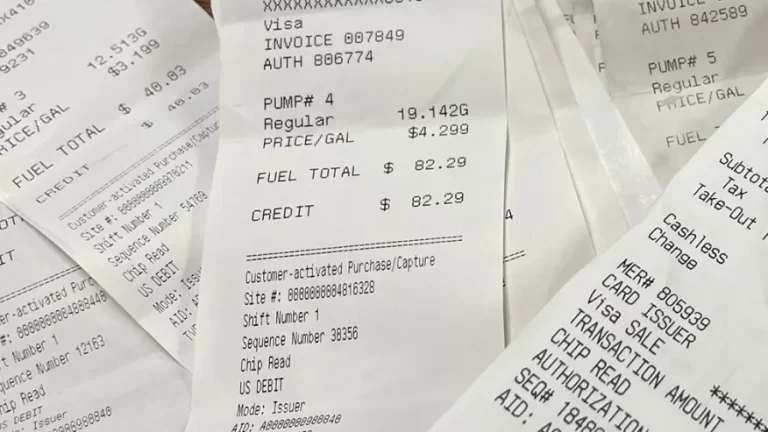
WASHINGTON, D.C. — In a move that environmentalists are calling “the biggest win since the ban on plastic straws,” the Environmental Protection Agency (EPA) has proposed new legislation aimed at limiting the length of receipts printed by corporations. The proposed measure, which is being hailed as a “decisive blow” against climate change, would restrict receipt lengths to a maximum of six inches, citing the overwhelming amount of paper waste generated by corporations like grocery stores and pharmacies.

“The age of receiving a receipt long enough to wrap a birthday present is over,” said EPA Administrator Michael Regan in a press conference. “We’re taking a stand against waste, and that means receipts need to shrink—dramatically. No more mile-long lists of coupons you never use or that mysterious message telling you to fill out a survey for the chance to win $100. The environment can’t afford it.”

The new policy, dubbed the “Short Receipts for a Greener Tomorrow” initiative, has garnered a mixed response from corporations and the general public. Some businesses, like eco-conscious coffee shops, are embracing the proposed change. “We’ve always believed in keeping things short and sweet—just like our espresso shots,” commented one Seattle-based barista, who added that their receipts will now be limited to two inches or less, mainly featuring only “Thanks for your $7.50 latte.”

However, other businesses are pushing back. Retail giants such as “BigMart” have voiced concerns that cutting receipt lengths could mean fewer opportunities for promoting their exclusive rewards programs and reminding customers about all the things they forgot to buy. “We use every inch of that receipt to connect with our customers,” said BigMart spokesperson Linda Staples. “If we have to condense everything to six inches, how are we supposed to fit in the ten coupons no one ever uses and the 5,000-word privacy policy?”

Meanwhile, the proposal has sparked a lively debate among consumers, many of whom are torn between wanting to save the planet and the odd satisfaction of seeing just how many rewards points they’ve accumulated over a single transaction. “Look, I want to help the environment, but if I can’t receive a receipt that could double as a scroll in an ancient library, is it even worth it?” asked local shopper Gary Thompson while holding a receipt that appeared longer than his arm.

Environmental advocacy groups, on the other hand, have been quick to praise the EPA’s bold move. “We believe this is the first step towards a paperless future,” said GreenEarth president Angela Moss. “Next, we hope to tackle even bigger targets—like those instruction manuals that come with IKEA furniture.”

For now, the EPA seems committed to ensuring that American receipts become a lot less… well, excessive. “We’re not just reducing receipt lengths,” Regan stated, “we’re reducing the guilt associated with every transaction. And if we can save a few trees along the way, then it’s a win-win.”

Biden’s “Go-Green! 🌱” Pardon for Hunter: A Bold Step Toward Environmental Justice

WASHINGTON — In a surprising twist that redefines both environmental activism and the justice system, President Joe Biden announced on Sunday that he had pardoned his son, Hunter Biden, as part of his administration’s “Go-Green! 🌱” initiative. By eliminating the mountain of paperwork involved in prosecuting Hunter, Biden revealed that the move would save the government millions in paper costs and further reinforce their commitment to the environment.

“Today, I signed a pardon for my son Hunter as part of our administration’s ongoing efforts to cut down waste and move toward a more sustainable future,” Biden declared in a statement. “Think of all the paperwork we can save by not pursuing this any further! From the moment I took office, I promised a greener approach, and this is the perfect embodiment of that vision.”

According to sources close to the administration, Hunter Biden himself is fully on board with this green initiative. In a brief statement, he expressed his gratitude and outlined his plans to invest taxpayer dollars to plant trees — “somewhere, or something.” Details on where exactly these trees will be planted or how many trees are involved remain hazy, but Hunter assured the public that “it’ll definitely be green, I can promise you that.”

In an even more surprising development, the pardon decision was met with unanimous support across the political aisle. From the very vocal Donald Trump to members of the House Oversight Committee, all seemed to find common ground in the environmental cause. “Finally, some bipartisan cooperation! We may not agree on everything, but saving paper is something we can all get behind,” stated one Republican Senator with a beaming smile, now rumored to be considering replacing all office chairs with bean bags for a more earth-friendly aesthetic.

Biden’s spokesperson further emphasized the groundbreaking nature of this move, saying, “By granting a full and unconditional pardon, President Biden isn’t just protecting his family, he’s protecting the forests. We envision a future where legal paperwork doesn’t overwhelm our precious natural resources — and this is just the start.”

Social media lit up with support, with #GoGreenPardon trending within hours of the announcement. Even Trump chimed in on Truth Social, posting, “Never thought I’d see it, but I like the paper-saving part. Maybe I’ll pardon myself next time and plant a whole forest. Tremendous idea!”

Despite Hunter Biden’s prior guilty plea for tax violations and firearms charges, the collective enthusiasm for reducing waste appears to have overshadowed any lingering concerns. Legal experts also commended the effort, with one noting, “By pardoning Hunter, Biden has effectively reduced the nation’s carbon footprint—or at least, the paperwork footprint. And that’s a win for Mother Earth.”

In a final touch of irony, Hunter Biden’s promise to support environmental initiatives has inspired a new branch of the Go-Green campaign focused on “Creative Green Justice,” encouraging a more eco-friendly approach to criminal resolutions. As for where those taxpayer-funded trees are going? Only time will tell, but one thing is clear: Hunter’s newly green thumb is being watched by the entire country.

Putin Reportedly Suffers Stroke After Learning of Trump Re-election, Now Only Speaks Hmong

0

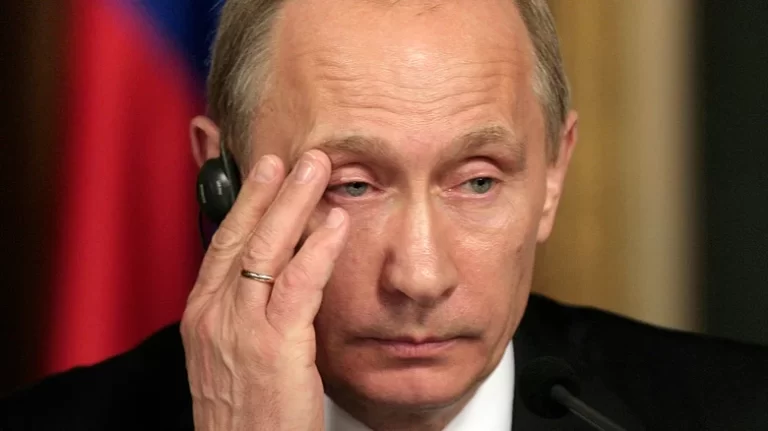
MOSCOW — In a twist of geopolitical irony that even the most skilled disinformation strategist could not have predicted, Russian President Vladimir Putin is reportedly recovering from a stroke triggered by the shock of Donald Trump’s re-election as President of the United States. Kremlin insiders have revealed that Putin, mastermind of countless disinformation campaigns, was left completely baffled upon realizing that his own efforts somehow led to a result he never intended—Donald Trump back in the White House.

The twist, however, doesn’t end there. According to medical reports, the stroke appears to have left Putin with the unexpected side effect of being able to speak only Hmong, a language he had no prior knowledge of before the incident. “He’s just as confused as we are,” said an anonymous Kremlin source. “No one here speaks Hmong, and now our translators are working overtime. Frankly, it’s becoming a bit of a logistical nightmare.”

Putin, who was known for his long, imposing tables during diplomatic meetings—as if to signify the metaphorical and literal distance between him and everyone else—has now opted for significantly shorter tables during his social engagements. “It’s quite disconcerting,” added the source. “No one is sure if it’s a sign of newfound humility or if he simply doesn’t trust us to understand his Hmong instructions from across the room.”

The Russian President, who has long prided himself on his ability to outmaneuver Western leaders and direct global narratives, reportedly couldn’t come to terms with the idea that his disinformation campaigns had a direct role in influencing American voters to re-elect Trump. “It just doesn’t make sense,” a Kremlin official reportedly heard Putin mumble (in Hmong, no less), shaking his head while staring at a wall of social media charts. “How could they want him again?”

The effects of Putin’s stroke are reverberating well beyond Russia. European leaders, already wary of Putin’s unpredictability, are scrambling to understand how this change will impact Russia’s stance on key issues like Ukraine and energy exports. German Chancellor Annalena Baerbock is said to be deeply concerned about the potential instability, noting that the sudden communication barrier could further complicate negotiations around natural gas supplies. “We were already dealing with long tables—now we’re dealing with Hmong translations,” Baerbock reportedly sighed.

In Asia, Chinese President Xi Jinping was reportedly caught off-guard by the news. Insiders suggest Xi had been counting on Putin’s support in regional disputes, but now faces the daunting challenge of trying to communicate with a leader who no longer speaks Russian. “This is not the partnership we were envisioning,” a Chinese diplomat remarked, while hastily flipping through a Hmong phrasebook.

Putin’s doctors, who were initially baffled by the language switch, have emphasized that his physical condition is stable, though they are uncertain whether he will ever regain his ability to speak Russian. Meanwhile, the President has reportedly been receiving well-wishes—mostly puzzled ones—from global leaders, including Trump, who tweeted, “Get well soon, Vlad! Maybe I’ll learn Hmong too, sounds tremendous!”

Despite the chaos, Kremlin insiders maintain that Putin’s work must go on. His aides have already begun intensive Hmong lessons, while high-ranking officials scramble to figure out what direction their policies should take under the new, much-shorter-table Putin. “We thought we’d prepared for every possible scenario,” admitted the anonymous Kremlin source, “but apparently, we forgot to add ‘President starts speaking Hmong and shortens all tables’ to the risk assessment. Live and learn.”

Dr. Iver Eviscerates “Trenchcoat Summit” as Top Education Leaders Emerge on Unicycle to Announce Absurd New Policy

0

WASHINGTON, D.C. — In an event that many are describing as “a circus act gone wrong,” nominees for Secretary of Education Linda McMahon, Education Policy Advisor Christopher Rufo, and Secretary of Health and Human Services Robert F. Kennedy Jr. were recently observed emerging from a single trenchcoat while balancing on a unicycle at a press conference. The trio proceeded to announce their latest educational policy: a revolutionary new focus on single and multi-wheeled vehicles as the cornerstone of American education reform. Their reasoning? None of them had ever ridden in a car—only private airplanes.

Dr. Iver, one of our seasoned political commentators, went on to highlight the absurdity of their transportation-centric vision, noting that the press conference was more reminiscent of a clown car than a serious policy announcement. Dr. Iver was quick to respond, “Of course, why invest in books, teachers, or an actual education when you can teach kids how to precariously balance on one wheel while also balancing the crushing weight of a failed education system on their shoulders? It’s brilliant, really,” she remarked, dripping with sarcasm.

The three officials insisted that unicycles and other wheeled contraptions were the future, claiming that they represented the essence of American resilience. “We never needed cars; private jets are enough,” McMahon stated confidently while attempting to maintain balance. Dr. Iver, however, had another perspective: “It’s a perfect metaphor. They think because they can soar above it all—in literal private jets—the rest of us can just wobble around trying to keep our balance with whatever ridiculous scraps they throw our way.”

The policy, apparently dubbed the “One Wheel, One Nation” initiative, proposes that middle and high school students be required to pass a unicycle competency test before graduating. “What’s next? Are they going to mandate that kids learn to juggle fire while reciting the Preamble to the Constitution?” Dr. Iver wondered aloud. “Because if so, I’m sure they’ll insist it builds character—or whatever excuse they’re using to justify their complete detachment from reality.”

With biting wit, Dr. Iver closed her commentary by offering a simple suggestion: “Maybe, just maybe, if our education leaders actually tried using public transportation or, I don’t know, set foot in a public school, they’d understand that our priorities should be a tad more grounded. But sure, let’s give every kid a unicycle and tell them it’s the key to success.”

Johnny Depp Declares Himself King of a Tiny Island, Invites Fans to Join His ‘Pirate Utopia’

0

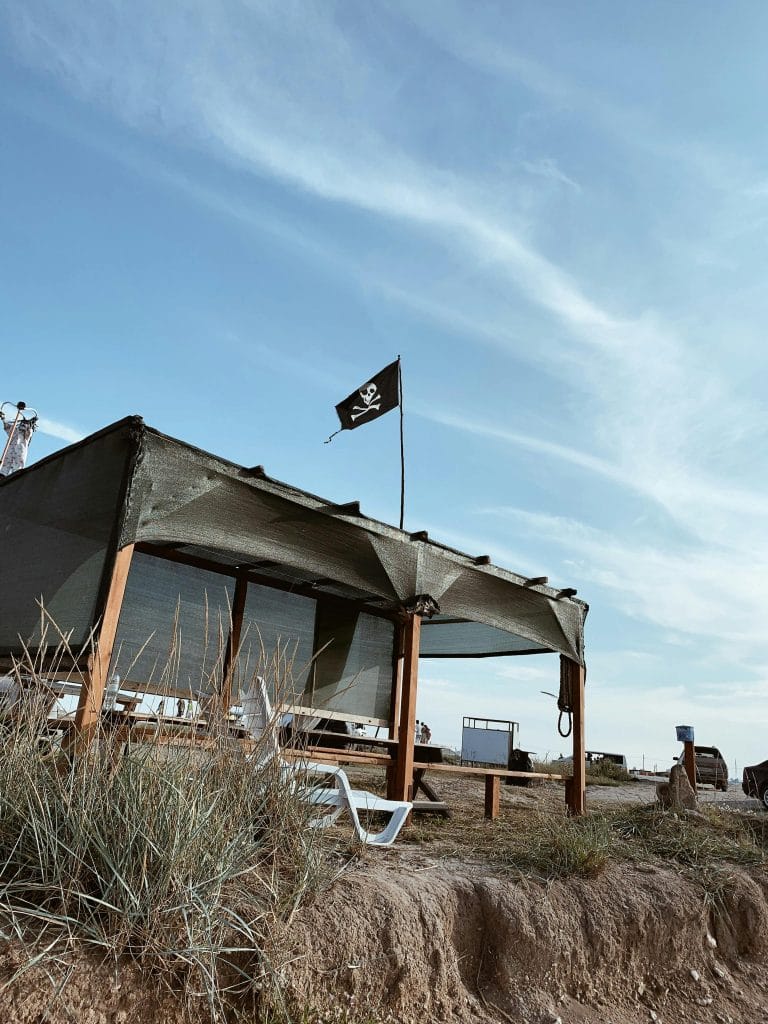
CARIBBEAN SEA — In classic Jack Sparrow fashion, Johnny Depp has crowned himself king of a tiny Caribbean island and invited fans to join his “Pirate Utopia.” With a bottle of rum in one hand and a half-baked treasure map in the other, Depp announced, “This island’s mine now. No taxes, no rules, just coconuts, rum, and whatever else we feel like.”

The island, which Depp has lovingly named “Libertalia 2.0,” is promised to be a paradise for those tired of the trappings of modern life. “No HOA fees, no Wi-Fi passwords, and definitely no Mondays,” Depp slurred, while stumbling over a palm tree root. His newly appointed advisors include his parrot Sir Squawk, who specializes in squawking at inappropriate times, and a coconut named Jeffrey, which Depp insists gives great financial advice.

Residents can expect free eye patches, random treasure hunts that lead nowhere, and all the rum they can drink—provided they bring their own supply. “We’re all about self-sufficiency here,” Depp declared, before attempting to swordfight a scarecrow he claimed was “looking at him funny.”

Fans are already packing their bags, with some swearing loyalty to the new “king.” “Who wouldn’t want to live in a place where the only law is ‘more rum’? Plus, Johnny promised we’d all get our own pirate names,” said one enthusiastic supporter, now legally going by the name “Salty Sally.”

Not everyone is amused, however. Environmental groups are already concerned about Depp’s free-spirited plans. “Just because he’s played a pirate doesn’t mean he can just take over an island,” scoffed Angela Moss of GreenEarth. “We’re worried about Depp and his so-called ‘crew’ turning coconuts into improvised cannonballs and using parrots as lookouts for rum raids.”

Depp ended his announcement by raising his bottle and shouting, “Welcome to Libertalia 2.0! Where the rum never runs dry and no one asks questions!” before tripping over Jeffrey the coconut, knocking the camera into the sand and letting out a hearty, “Well, that’s one way to end it!”

Steam Teams Up with CrowdStrike to Create Unstable Gaming Device That Monetizes Gamer Rage

0

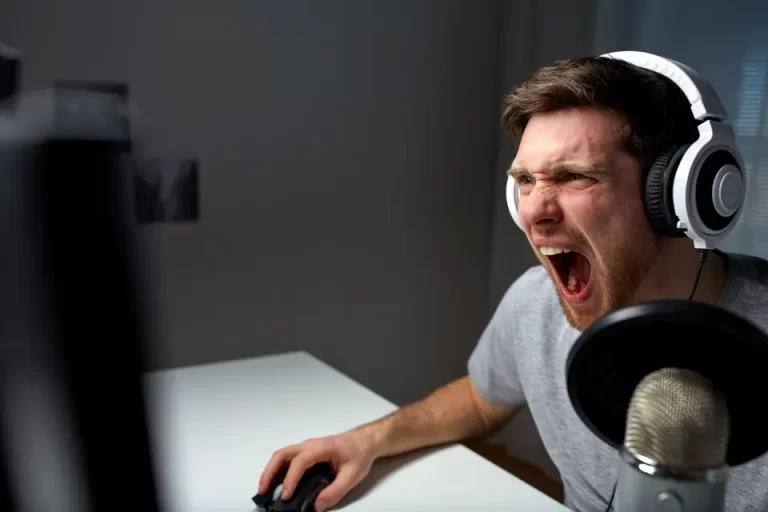
BELLEVUE, WA — In what some are calling the most disruptive collaboration since Steam Summer Sales broke wallets across the world, Gabe Newell has announced a revolutionary new gaming device in partnership with cybersecurity company CrowdStrike. The device, dubbed “RageStream,” is designed to push gamers to their absolute emotional limits and beyond—all while automatically capturing their reactions for monetization.

This seemingly bizarre collaboration comes just months after CrowdStrike made headlines for releasing a faulty Falcon Sensor update that caused an IT outage so massive it has been labeled the largest in information technology history. Now, with lessons apparently learned, CrowdStrike has pivoted from security to gaming—or, more precisely, to gaming chaos.

“It all started when the marketing team brought me this concept,” said Gabe Newell, looking both bewildered and intrigued. “They said, ‘Gabe, gamers love drama. They love rage. Let’s give them what they want and make some money while we’re at it.’ And I said, ‘Alright, let’s see where this goes.’ It’s truly a bold step forward for gaming.”

The RageStream device is outfitted with cutting-edge, intentionally “unstable” technology that triggers random crashes, inexplicable lags, and even simulated disconnections during critical moments of gameplay. “We’ve perfected the art of unpredictability,” said CrowdStrike’s spokesperson, whose enthusiasm for chaos was evident. “Gamers will feel the thrill of uncertainty, whether it’s a boss fight or a simple save point.”

The brilliance of the device lies in its integration with Steam’s platform. Gamers who agree to RageStream’s terms and conditions (which, according to Steam’s user agreement, nobody reads) automatically consent to having their rage-fueled reactions recorded. The footage—ranging from controller-flinging to tearful rants—is directly streamed to Steam’s servers, where it is curated, edited, and monetized. Steam has already started channeling this content into its own video platform, titled “SteamScreams,” which features highlights like “The Best Rage Quits of the Week” and “Gamers Losing It at Level 99.”

“Rage culture is huge right now,” explained Steam’s Director of Engagement, Marcus Flint. “Just look at platforms like Twitch and YouTube—viewers love watching their favorite streamers scream, yell, and sometimes even destroy their gaming setups. We realized we could take it a step further by engineering a device that ensures gamers reach those moments of pure frustration. It’s entertainment gold.”

Though critics have raised ethical concerns about purposefully destabilizing gaming experiences, Gabe Newell remains unfazed. “We’re giving the people what they want,” he stated. “Gaming isn’t just about fun; it’s about the journey—the highs, the lows, and the controller-shaped holes in your wall. RageStream captures all of it.”

The device is set to release in beta early next year, and Steam has already partnered with top YouTubers and Twitch personalities to endorse it. One influencer, known as “RageMaster47,” commented, “This is gonna be great for my channel. I mean, who doesn’t want to see me completely lose it when my character falls through the map for the hundredth time?”

CrowdStrike’s CEO described RageStream as “a fantastic blend of chaos and commerce,” adding, “We believe in innovating through disruption, and nothing says disruption quite like a gamer in the middle of a meltdown.”

The gaming community is, predictably, divided. Some are eager to take on the challenge, while others are wary of a device designed to make them lose their minds. As one skeptical gamer put it: “So I pay for a machine that’s designed to ruin my day… and they profit off my misery? Seems about right. Sign me up.”