WASHINGTON, D.C. — A fresh round of tariff implementation deadlines passed at 12:01 a.m. Monday, formally activating duties on a list of trading partners that the Office of the U.S. Trade Representative confirmed it would identify “shortly, or in due course, whichever sounds more legal.”
The new tariffs, announced by President Trump in a Truth Social post that began with the word “FOLKS” and ended with three flag emojis, are believed to target somewhere between four countries and all of them. A White House aide clarified Sunday night that the figure depends on “whether Canada counts, which it does on weekdays.”
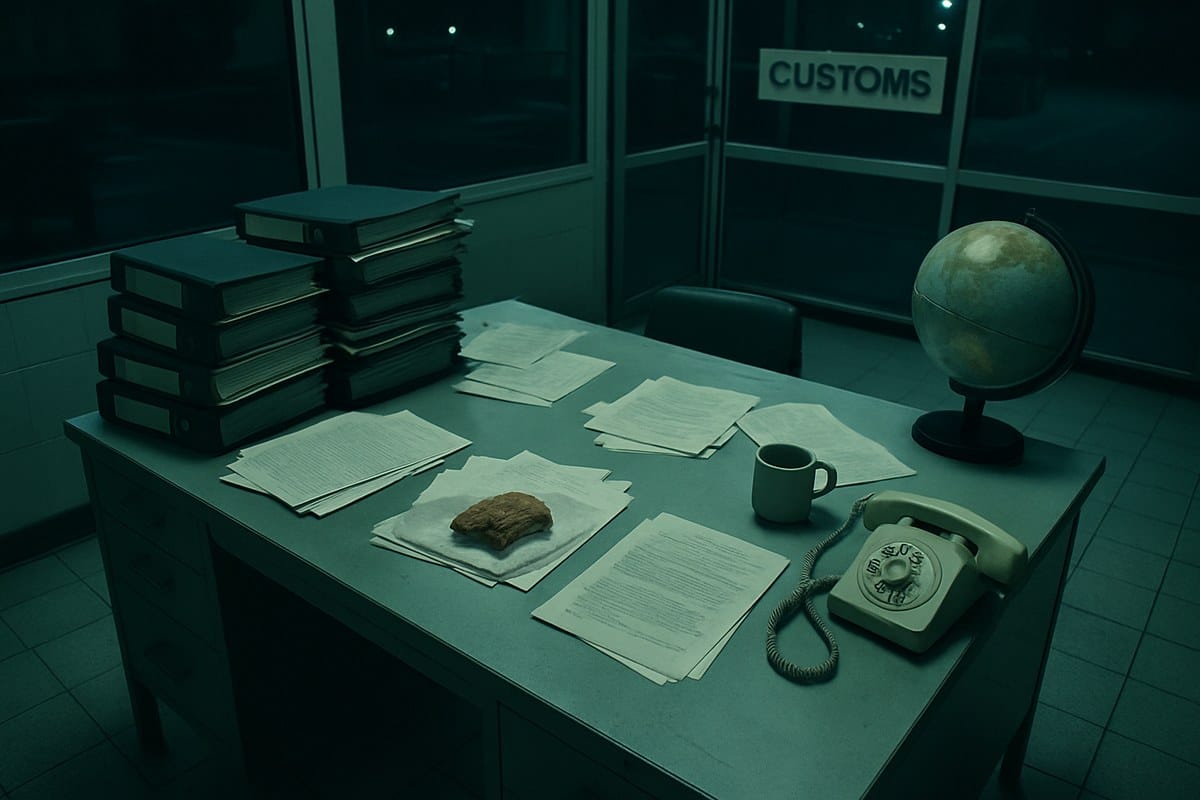
Importers spent the weekend attempting to comply with rates that had been revised four times since Thursday, most recently in a handwritten amendment a senior advisor described as “pretty legible if you knew the President in the eighties.” Customs agents at the Port of Long Beach were reportedly given a binder, a highlighter, and the phone number of someone named Greg.
“The President wants tariffs on the bad ones and not the good ones,” said a Commerce Department spokesperson who asked to be identified only as a Commerce Department spokesperson. “We have been asked to determine which is which by close of business, and also what ‘bad’ means in this context, and also whether South Korea is in Asia.”
Markets, which fainted on cue earlier this quarter, declined to faint a second time on the grounds that it felt repetitive. The S&P opened flat after analysts concluded the tariffs were either devastating or imaginary and that there was no productive way to price the difference before lunch.
A freight broker reached on his lunch break at a truck stop outside Laredo said he had received six conflicting tariff schedules since Friday, one of which was a screenshot of a different schedule. “They keep emailing me PDFs,” he said. “I don’t open PDFs from the government anymore. Nothing good has ever been in one.”
The administration defended the rollout’s ambiguity as a feature, with Treasury Secretary Scott Bessent telling reporters that “strategic vagueness is the cornerstone of the President’s economic doctrine, along with sometimes saying the opposite of it.” Asked which countries were affected, Bessent gestured at a globe and said, “Use your imagination.”
Foreign capitals responded with the measured patience of trading partners who have been through this six times already. The European Commission issued a statement noting it would “await further clarification, and also a nap.” Mexico’s finance ministry said it had drafted retaliatory tariffs against “whatever, sure, fine.”
On Capitol Hill, members of the Ways and Means Committee said they had not been briefed on the new tariffs because the White House had instead briefed a podcaster. Ranking Democrats demanded hearings; ranking Republicans demanded the podcaster’s contact information.
By Monday afternoon, the USTR had released a partial list of affected goods that included steel, aluminum, semiconductors, lumber, washing machines, olives, and a category labeled “miscellaneous European.” A footnote indicated the list was “subject to revision based on how the President felt about Europe in the morning.”
The administration is expected to announce additional tariffs Tuesday, Wednesday, and at some point during the State of the Union, after which a senior official confirmed there would be “a brief tariff intermission so everyone could catch their breath and possibly file for bankruptcy.”